
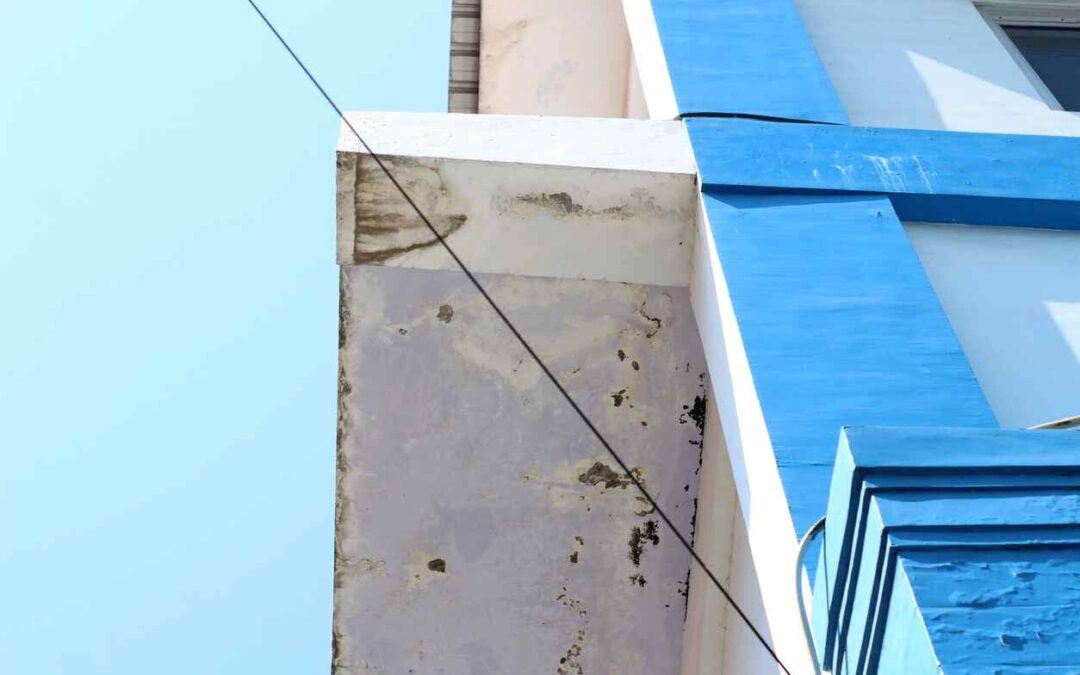
A commercial property’s exterior is its primary defense against nature. When hidden air and water leaks develop, they quietly undermine structural integrity, drive up utility costs, and degrade indoor environmental quality long before major signs appear.
Recognizing when your facility requires building envelope repairs starts with identifying the subtle signs of thermal and moisture intrusion. Whether you need routine building envelope inspection services or specialized commercial roof repair, addressing minor defects early prevents them from escalating into catastrophic failures.
This comprehensive guide covers the primary causes of envelope failure, high-risk vulnerability zones, diagnostic inspection methods, and the specific steps required to stop hidden air and water leaks to safeguard your real estate assets.
Inspect Your Commercial Property For Leaks
What Is a Building Envelope Failure?
A building envelope failure occurs when the physical barrier separating a structure’s interior from the outside environment fails to control heat, air, moisture, and light. When these protective layers degrade, unconditioned air and water infiltrate the building structure.
Water intrusion is the most destructive form of envelope breach. Trapped moisture accelerates structural rot, rusts steel supports, degrades insulation, and fosters toxic mold growth behind drywall and ceiling tiles.
Air leakage directly compromises thermal performance. Uncontrolled exfiltration and infiltration force HVAC systems to work continuously, significantly increasing operating expenses and creating uncomfortable temperature variations throughout the building.
5 Warning Signs Your Building Envelope Is Failing
Catching moisture and air infiltration early requires vigilance. Facility teams should monitor property interiors and exteriors for these common warning signs:
- Unexplained Spikes in Utility Bills: Rapidly rising heating or cooling costs usually point to conditioned air escaping through degraded seals, joints, or roof transitions.
- Water Stains and Efflorescence: Discoloration on interior walls or white, powdery salt deposits (efflorescence) on exterior masonry indicate active water migration.
- Musty Odors and Mold Growth: Persistent damp smells indicate trapped moisture within wall cavities, insulation, or subflooring.
- Drafts and Unstable Temperatures: Cold spots in winter or hot zones in summer signal air barrier gaps or compromised insulation values.
- Peeling Paint or Cracked Exterior Sealants: Damaged coatings and hardened, split caulk joints are open invitations for wind-driven rain penetration.
Common Areas Vulnerable to Air & Water Leaks
Commercial properties have several critical junctions where dissimilar materials join together. These locations represent the highest risk for envelope breaches:
- Roof Membranes and Parapet Walls: Flat and low-slope commercial roofs experience constant thermal expansion and contraction. Over time, roof membranes degrade, flashing pulls away from parapet walls, and ponding water works its way into underlying insulation.
- Window Openings and Curtain Walls: Window perimeter sealants dry out, shrink, and crack under ultraviolet light exposure. Failed glazing gaskets permit rainwater to enter frame assemblies and trickle down into interior wall assemblies.
- Exterior Wall Expansion Joints: Control and expansion joints accommodate building movement. When joint backer rods and sealants lose elasticity, moisture infiltrates the exterior wall cladding system.
How to Stop Hidden Air & Water Leaks
Resolving hidden leaks requires targeted corrective actions at every vulnerability point across your property. Stopping moisture migration and air pressure loss involves combining proper surface preparation, high-performance materials, and systematic execution:
Seal Window Perimeters and Glazing Joints
Strip old, cracked, or hardened silicone and polyurethane caulking down to the bare substrate around all window perimeters and curtain wall assemblies. Clean joint surfaces using appropriate solvents to ensure maximum adhesion before installing non-staining, commercial-grade silicone weatherproofing sealants. Additionally, inspect and replace brittle interior and exterior glazing gaskets, ensuring glass panes are fully cushioned and sealed against wind-driven rain penetration.
Restore Roofing Membranes and Flashing Details
Locate and repair membrane punctures, open lap seams, and blisters on flat or low-slope commercial roofs using heat-welded or self-adhering patches compatible with your single-ply (TPO/EPDM) or multi-ply (modified bitumen) system. Strip back damaged counter-flashing along parapet walls, equipment curbs, expansion joints, and roof valleys. Install new termination bars, apply fluid-applied waterproofing membranes at all penetrations, and seal metal flashing caps to eliminate high-volume water entry points.
Re-Caulk Exterior Expansion and Control Joints
Rake out failed joint sealants and compressed backer rods along concrete tilt-up panels, brick veneer, or EIFS cladding joints using specialized mechanical tools. Insert new closed-cell polyethylene backer rods to control sealant depth and prevent three-sided adhesion, which causes premature joint failure. Fill joints with high-movement, UV-stable elastomeric or polyurethane sealants designed to expand and contract smoothly with seasonal temperature shifts.
Apply Fluid-Applied or Sheet-Applied Air & Vapor Barriers
Bridge gaps in exterior wall assemblies by retrofitting continuous air-and-water-resistive barriers (WRBs) over vulnerable substrates during cladding repairs or retrofits. Choose between vapor-permeable membranes (which allow trapped wall assembly moisture to escape outward) or vapor-impermeable barriers based on your local climate zone and building envelope orientation. Ensure all membrane overlaps, penetrations, and transition zones are fully taped and sealed to form an unbroken thermal envelope.
Maintain and Clear Scuppers, Drains, and Weep Holes
Clear organic debris, silt, and construction buildup from all primary roof drains, overflow scuppers, gutters, and conductor heads to prevent standing ponding water. Ensure masonry weep holes at the base of exterior brick walls remain clear of mortar droppings and insect nests so moisture trapped within the cavity drains freely. Consider installing stainless steel mesh weep vent covers to allow continuous drainage while keeping pests out.
Tuckpoint Degrading Masonry and Mortar Joints
Grind out deteriorated, crumbling mortar to a depth equal to twice the joint width along damaged brick, stone, or concrete masonry unit (CMU) walls. Clean joints with compressed air or water washes, then pack them with fresh, vapor-permeable mortar that matches the original compressive strength and color profile of the existing wall. Proper tuckpointing prevents wind-driven rain from saturating porous masonry while allowing internal wall moisture to evaporate safely.
Verify Water & Air Seals with Diagnostic Post-Testing
Never assume a repair is complete without rigorous field testing. Perform standardized water spray testing (in accordance with ASTM E1105 or AAMA 501.2 standards) using controlled water nozzle pressure over newly sealed windows, curtain walls, and expansion joints to detect immediate leaks. Follow up with infrared thermographic scans under active HVAC pressure differentials to verify that thermal bridging and air exfiltration pathways have been fully sealed.
Stop Hidden Building Leaks Before They Spread. Talk To Us!
Diagnostic Inspection Methods for Commercial Buildings
Identifying hidden moisture pockets and air gaps prior to repair requires specialized equipment. Comprehensive building envelope inspection services utilize non-destructive testing technologies to locate defects accurately.
| Inspection Method | Target Issue | Primary Benefit |
| Infrared Thermography | Moisture pockets & insulation gaps | Scans large wall and roof surfaces quickly without physical damage |
| Blower Door Testing | Air leakage pathways | Measures overall building air tightness and identifies pressure losses |
| Electronic Leak Detection (ELD) | Low-slope roof membrane breaches | Pinpoints microscopic pinholes in waterproofing membranes |
| RILEM Tube Testing | Masonry absorption rates | Measures water absorption levels of exterior brick and stone |
Preventive Maintenance Strategies
Proactive maintenance prevents minor weatherproofing defects from escalating into major structural repair expenses.
- Establish Biannual Visual Inspections: Inspect roofs, exterior walls, and window perimeters every spring and fall.
- Clear Drainage Systems Regularly: Keep roof drains, scuppers, gutters, and weep holes free of debris to prevent water buildup.
- Maintain Sealant Replacement Schedules: Most high-grade exterior caulks require complete replacement every 7 to 12 years.
- Track HVAC Performance Metrics: Monitor sudden changes in energy usage or indoor humidity levels to spot envelope air leaks early.
Frequently Asked Questions
How often should a commercial building undergo a building envelope inspection?
Commercial properties should receive a basic visual inspection twice a year, ideally in spring and autumn. Comprehensive envelope audits using infrared imaging should occur every 3 to 5 years or immediately following major weather events.
What is the difference between an air barrier and a vapor barrier?
An air barrier prevents unconditioned air from moving in and out of a building enclosure. A vapor barrier prevents water vapor from diffusing through building materials due to vapor pressure differences.
Can building envelope leaks affect indoor air quality?
Yes. Water intrusion creates ideal conditions for mold, mildew, and bacterial growth within wall cavities and HVAC systems. These contaminants degrade indoor air quality and can cause health issues for occupants.
Are exterior building envelope repairs covered by standard property insurance?
Insurance coverage typically depends on the cause of the damage. Sudden incidents like storm damage are often covered, whereas gradual damage caused by deferred maintenance or aging materials is generally excluded.
Protecting Your Commercial Asset
Unresolved air and water leaks compromise structural stability, elevate energy costs, and decrease asset values over time. Partnering with proven industry leaders ensures your building remains fully protected against severe weather and environmental degradation.
With decades of specialized commercial experience, Delta Innovative Services delivers industry-leading building envelope repairs and comprehensive inspection solutions tailored to complex commercial properties. Our certified technicians combine advanced diagnostic tools with proven waterproofing systems to eliminate hidden breaches and extend your facility’s operational lifespan.