
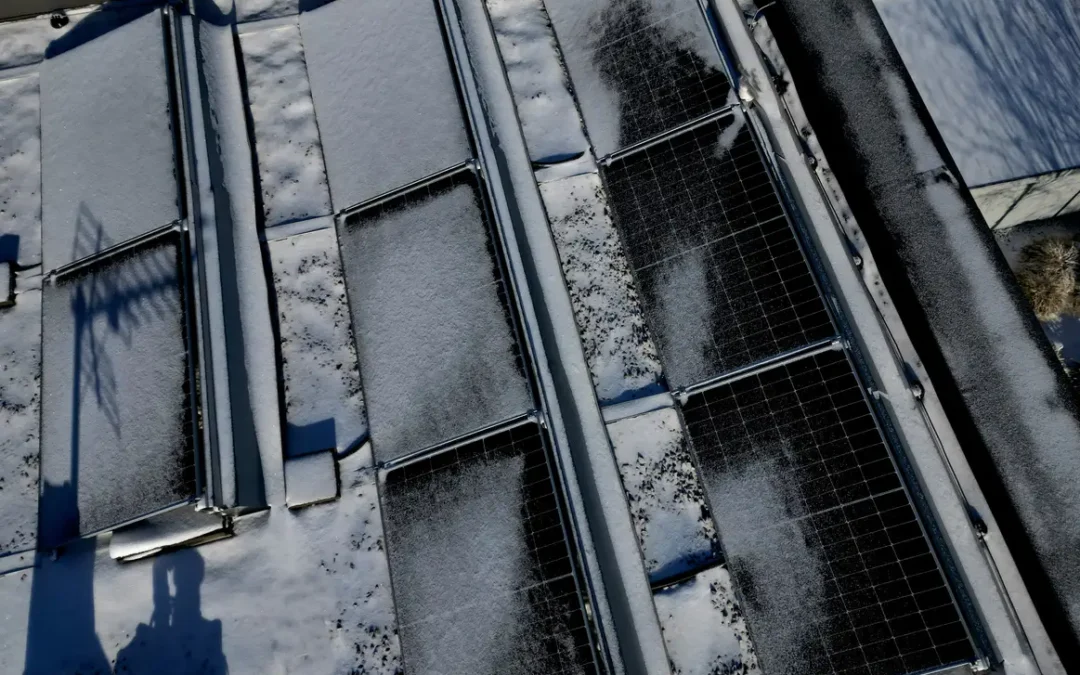
Winter weather in the Heartland presents unique structural challenges for commercial building owners and industrial facility leaders. Temperatures in the Kansas City area frequently swing across the freezing threshold within a single 24-hour period.
This rapid temperature fluctuation triggers severe expansion and contraction across flat roofing assemblies. Understanding the mechanics of Kansas City commercial roofing winter prep helps property managers protect structural decks and extend membrane lifespans.
Find out how freeze-thaw cycles cause winter roof damage and flat roof cracking. Discover actionable preventative maintenance steps to safeguard your facility budget.
How the Freeze-Thaw Cycle Works on Flat Commercial Roofs
The freeze-thaw cycle occurs when melted snow or standing water enters micro-cracks, seam gaps, and flashings, expanding by approximately nine percent as it freezes into ice.
During warmer winter afternoons, rooftop snowpack melts and flows toward low points, drain bowls, and scuppers. As temperatures drop below 32 degrees Fahrenheit overnight, that trapped liquid freezes solid and exerts tremendous lateral force against surrounding materials.
This repeated physical expansion widens tiny surface imperfections into severe structural gaps. Over a single Midwest winter, hundreds of freeze-thaw cycles can destroy membrane seals and compromise underlying insulation layers.
Prevent Winter Roof Damage Now
1. Thermal Expansion, Contraction, and Flat Roof Cracking
Commercial building materials expand when exposed to warm sunlight and contract rapidly. This continuous dimensional shifting causes severe thermal shock across flat roof assemblies.
Freezing temperatures reduce physical flexibility in single-ply membranes like TPO, PVC, and EPDM, leaving them brittle and prone to stress fracturing. Over several seasons, thermal stress leads directly to flat roof cracking along high-stress field seams and perimeter penetrations.
Asphaltic systems, including built-up roofing and modified bitumen, experience binder embrittlement as surface oils dry out under Arctic conditions. Once surface cracks open, melting snow forces water deeper into underlying substrate layers.
High-Risk Areas for Winter Cracking
- Field membrane seams subjected to continuous mechanical movement and wind uplift.
- Wall flashings along parapet structures, expansion joints, and equipment curbs.
- Rooftop penetration points surrounding HVAC curbs, plumbing vents, and electrical conduits.
2. Subsurface Moisture Blistering and Insulation Degradation
Trapped moisture beneath the membrane surface becomes destructive during freezing conditions. When liquid beneath the top layer freezes, it expands and forces the membrane upward, separating it from the underlying insulation boards.
During daytime warming, trapped water turns to vapor, expanding in volume and creating raised membrane blisters. Subsequent freeze-thaw cycles lock these air pockets into place, forming brittle domes that fracture easily under maintenance foot traffic.
Freeze-thaw cycles also destroy underlying polyisocyanurate insulation boards. Saturated insulation loses its thermal R-value, increases heating costs, and weakens structural support under heavy winter loads.
| Roof System Component | Impact of Midwest Freeze-Thaw Cycles | Facility Risk Level |
| Single-Ply Membranes (TPO / PVC / EPDM) | Seam splitting, surface embrittlement, and flat roof cracking | High risk of active water entry |
| Asphaltic Assemblies (BUR / Mod Bit) | Gravel loss, asphalt cracking, and surface delamination | High risk of substrate saturation |
| Substrate Insulation Boards | Moisture retention, physical crushing, and R-value loss | Moderate to high energy loss |
| Edge Metal and Flashings | Fastener displacement and joint separation | High risk of perimeter wind uplift |
3. Drainage Blockages, Scupper Ice Dams, and Ponding Water
While sloped residential roofs suffer from gutter ice dams, flat commercial roofs face an equally dangerous structural equivalent. Ice forms rapidly inside unheated scuppers, collector boxes, and exterior downspouts during cold snaps.
When snowmelt runs off warmer central roof decks toward freezing perimeter edges, ice blockages prevent proper drainage. Liquid water backs up behind these ice dams, creating heavy pools of standing water over field seams.
As this backed-up water freezes overnight, it exerts continuous hydrostatic pressure against flashing seals and parapet details. Unaddressed drainage blockages rapidly escalate into major structural leaks during mid-winter thaws.
Warning Signs of Drainage Damage
- Solid ice buildup choking scupper openings, conductor heads, or drain strainers.
- Standing water remaining on flat roof sections more than 48 hours after a thaw.
- Water marks or icicles forming along exterior parapet walls and metal soffits.
4. Fastener Back-Out and Flashing Joint Separation
Metal components expand and contract at significantly different rates than flexible membrane materials. Edge metal, cap flashings, and mechanical fasteners move continuously as temperatures swing above and below freezing.
This differential movement causes mechanical fasteners to loosen and back out from wood blocking or steel decks. Raised fastener heads push upward against the membrane, creating high points that puncture easily under snow loads or foot traffic.
Separated flashing joints allow wind-driven freezing rain and melting snow to bypass top protective layers completely. Once moisture reaches structural decking, steel corrosion, wood rot, and structural deterioration accelerate rapidly.
When edge metal fasteners back out and flashings pull away, water penetrates deep into walls and decking. Read our full commercial guide to building envelope diagnostics and repairs to learn how exterior restoration prevents structural deterioration.
Preventative Flashing Maintenance Steps
- Schedule pre-winter fastener checks to tighten hardware and replace deteriorated seals.
- Inspect metal edge joints to ensure thermal expansion clips move freely without buckling.
- Seal open flashing overlaps with manufacturer-approved cold-weather sealants.
5. Mechanical Punctures from Rooftop Equipment Traffic
Winter equipment servicing presents severe hazards to frozen membrane surfaces. Maintenance technicians servicing HVAC units, exhaust fans, or refrigeration racks must navigate slick walkways and hidden hazards.
Snowpack covers roof penetrations, drain bowls, and raised membrane seams from clear view. Technicians walking across frozen membranes can accidentally puncture brittle surface layers with heavy boots, metal tools, or panel doors.
Improper snow clearance practices also cause widespread winter roof damage. Using metal shovels, mechanical snowblowers, or ice picks to clear drain paths frequently cuts single-ply membranes and destroys flashing details.
Preventative Protection with Delta’s WeCare Program
Mitigating Midwest winter risks requires trade experience, skilled craftsmanship, and structured preventative care. With over 15 years of contractor grit and local union expertise across Kansas City, Delta Innovative Services protects commercial building envelopes through every season.
Our Roofing Maintenance Program delivers thorough autumn inspection protocols designed specifically to identify winter vulnerabilities before freezing weather strikes.
- Bi-annual 7-point surface, flashing, and drain evaluations.
- Clear photographic reports and action plans for facility maintenance logs.
- Up to 8 hours of immediate minor seam sealing and void repairs included.
- Dedicated portal access for historical documentation and warranty tracking.
- Custom life-cycle budgeting recommendations to prevent premature replacement.
By sealing surface voids, clearing drain lines, and securing flashing components ahead of winter, our specialists prevent emergency calls and extend system longevity.
Request Your Custom Roof Inspection
Frequently Asked Questions
How Does the Freeze-Thaw Cycle Cause Flat Roof Cracking?
The freeze-thaw cycle causes flat roof cracking when liquid water enters micro-fissures or seam gaps during warm periods. As temperatures drop below 32 degrees, the water freezes and expands by nine percent, forcing cracks open and stressing brittle membrane materials.
What Steps Should Facility Managers Take Before Winter Hits Kansas City?
Facility managers should schedule a comprehensive pre-winter inspection with a certified union roofing contractor. Key steps include clearing drains, sealing open flashing seams, inspecting perimeter edge metal, and documenting existing membrane conditions for warranty compliance.
Is Snow Removal Necessary for Flat Commercial Roofs?
Snow removal is necessary when heavy snow accumulation approaches structural load limits or completely blocks drainage pathways. Snow clearance should only be performed by trained commercial roofing professionals using plastic tools to avoid puncturing brittle membrane surfaces.
Can Freeze-Thaw Damage Void a Manufacturer Warranty?
Yes, freeze-thaw damage can lead to a voided warranty if the manufacturer determines that leaks resulted from unaddressed ponding water, clogged drains, or neglected routine care. Regular documented inspections are required to maintain valid warranty coverage.
What Is the Best Emergency Repair Method for Winter Leaks?
The best winter repair method involves applying compatible cold-weather mastic, reinforced fabric patches, or temporary mechanical seals designed for freezing temperatures. Permanent heat-welded patches or full adhesive repairs should be completed once weather conditions warm up.
Safeguard Your Commercial Building Envelope This Winter
Safeguarding your commercial roof against severe Midwest freeze-thaw cycles requires proactive maintenance, expert inspection, and reliable union craftsmanship. By addressing minor seam gaps, drainage blockages, and flashing voids before winter sets in, you prevent costly business disruptions and preserve your commercial roof investment. Delta Innovative Services brings trade expertise and craftsman pride to every project across the Kansas City area.
Protect Your Commercial Roof Today